A loud garage door has a method of announcing itself to the entire house. The initial morning I discovered that, I was standing in a baby room with a sleeping infant when the opener barked to life below us. The shaker-style sash rattled. The child screen hissed. I looked at the ceiling and idea, that is not just electric motor sound. It is the entire system, the door, the track, the springtimes, and the framing, trembling in sympathy.
You do not have to live with that. The quietest garages I have worked with share a pattern: the best door construction, a contemporary opener, well-chosen hardware, and careful installation that refuses to send resonance into the structure. Place those with each other and you can bring a roaring 70 dB garage to a mild hum you barely discover in the next room.
Why garage doors make sounds in the first place
A sectional garage door is a relocating wall with dozens of joints, bearings, and get in touch with points. Sound hardly ever originates from one wrongdoer alone. It is additive.
The door panels flex as they travel the radius of the track. Rollers rub in steel networks. Springs moan as they wind or take a break. The opener includes motor noise and chain or belt noise. After that every little thing the door does obtains intensified by the building itself. If the opener rail or header brace is linked straight to a slim stud without obstructing, the resonance acts like a tuning fork. If the ceiling drywall extends long joists above the garage and a bedroom remains on top, the overhanging dental caries becomes a drum.
Finding a peaceful solution implies dealing with both airborne sound from the operating parts and structure-borne resonance that takes a trip with timber and steel right into living spaces.
Door construction that runs softly
If you desire a quiet system, begin with the door. An old single-skin steel door behaves like a cymbal. It flexes and sounds. A modern protected door modifications that dynamic.
A double- or triple-layer steel door with an insulated core, specifically polyurethane foam that bonds to the skins, damps resonance and stiffens every panel. The included mass and rigidity reduce panel drumming, which reduces a shocking amount of mid-range noise. Many of these doors carry R-values in the R-9 to R-18 array. Going after R-value purely for energy is just part of the tale. The denser the foam and the thicker the steel skin, the extra the panel stands up to vibration when the opener begins and stops. If you are contrasting designs, consider the steel gauge and the insulation kind. Twenty-four gauge steel with polyurethane core will certainly really feel and sound more solid than 25 or 26 scale with polystyrene sheets.
Wood doors have their own personality. A properly constructed wood sectional has mass that has a tendency to take in resonance well, however it requires normal upkeep and can put on weight with wetness changes. If you pick timber for audio factors, allocate durable hardware and an opener rated for the added weight.
Composite and fiberglass-faced doors being in the center. They use good weather condition resistance and, when foam-filled, behave just like protected steel in terms of sound control.
Panel joint layout matters greater than people expect. Tongue-and-groove sides that mesh snugly minimize the small rattles that happen when panels roll from upright to straight and back. A full-length strut across the leading panel not only prevents sag yet additionally keeps the panel from trembling as it engages the radius.
If your existing door is structurally sound and you do not wish to change it, you can still silent it substantially with better rollers, effectively aligned tracks, and a new opener. I have tuned budget single-skin doors to run silently sufficient that you might hold a call over them.
The opener is the voice, and you can select the accent
An electric motor with a clattering chain is the soundtrack most folks know. It does not have to be. DC motors with soft-start and soft-stop increase carefully, which takes the shock out of the system presently when every little thing is most prone to rattle. A belt drive cuts high-frequency clatter to a whisper. A wall-mount opener relocates the motor sideways and drives the torsion shaft directly, taking almost all vibration off the ceiling.
Here is a small contrast that mirrors what I see in genuine garages every day:
- Chain drive opener: Resilient and economical. Louder than various other options, particularly as the chain and gears use. Acceptable for detached garages or when spending plan is limited, less optimal under bedrooms. Belt drive opener: Smooth and noticeably quieter than chain. A good fit for many attached homes. Seek DC electric motors with soft-start/soft-stop and solid rail construction. Screw drive opener: Quick and simple, but the threaded rod can resonate. Newer layouts are much better than older versions, still not the leading pick for low-noise goals. Wall-mount jackshaft opener: Mounts to the torsion tube on the side wall, freeing the ceiling and separating vibration. Amongst the quietest in completed spaces, needs torsion springtimes and adequate side clearance. DC motor with battery backup: The backup is a strength function, not a sound function, however these designs usually include premium electric motor controls and lowered operating sound as a side benefit.
Pay focus to the rail system as long as the drive kind. A single-piece steel rail is stiffer and garage door repair crown point indiana quieter than a multi-piece rail that clicks and bends at every joint. If you must utilize a sectional rail for logistics, take additional care with alignment and fasteners so it behaves as one piece.
Vibration isolators on the opener bracketing are affordable and efficient. Rubber-bushed wall mounts or a Unistrut drop with neoprene pads maintain the electric motor from playing your ceiling joists like guitar strings. If your old set up made use of punched angle iron rigidly attached to the bottom of a joist, that is an idea you can do better.
Hardware that makes its place
Rollers, hinges, and tracks are the unhonored heroes of a silent system. Precision matters.
Nylon rollers with closed bearings run quieter than metal rollers. The covered bearing eliminates the sandy rasp you listen to when open bearings run dry. On a regular 16-foot door, upgrading to 10-ball or 13-ball nylon rollers can decrease door-only sound by a big margin, and it frequently gets rid of the recurring chirp that travels through a house.
Tracks that are clean, straightened, and mounted on proper fasteners sustain rollers without pinch factors. I sometimes see tracks screwed into drywall over furring, which bends and chatters. Tracks should be anchored to strong mounting with lag screws. Lateral placement in between left and ideal tracks, and regular track spacing from the door side, protects against side rubbing that sings via the metal.
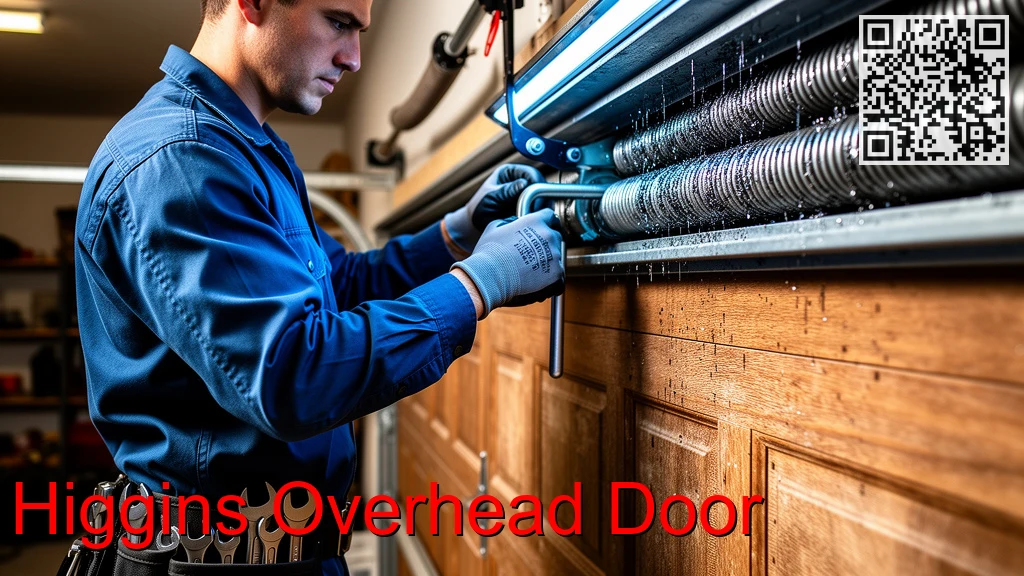
Torsion springtimes, when sized correctly, balance the door so the opener does little work. A door that is 10 to 15 extra pounds out of balance compels the electric motor to stress during start and quit, the noisiest components of the cycle. An effectively well balanced door will certainly hold constant when raised halfway by hand. If it drops or increases by itself, balance is off. Updating to higher-cycle torsion springs, say 20,000 to 30,000 cycles rather than 10,000, spreads the stress. That maintains the spring silent over a longer life and keeps balance much more consistently.
Hinges and struts must fit the door's dimension and weight. On double-wide doors, a top strut is non-negotiable. Mid-span struts on light-weight doors maintain panels from oil-canning. Those surges you see in a slim panel are a visual tip that sound is stone's throw behind.
Weather seals do double duty. A flexible bottom seal and tight perimeter seals obstruct roadway noise from the street and support the door at the floor and structure. If you have a rough slab with high spots, a much heavier T-style base seal can adhere far better and cut the slap that occurs at close.
Installation details that divide silent from almost quiet
I have strolled right into homes with excellent components that still seemed harsh. The usual distinction is in the details.
- The header brace or wall place have to arrive on strong framework. A 2x6 backer, glued and delayed into multiple studs, prevents that single-point buzz right over the garage door that radiates upstairs. The opener rail needs to be straight and real. A bow in the rail creates a balanced whirr as the cart fluctuates versus rubbing points. The safety photo eyes ought to be straightened and secured. While they do not create noise directly, misalignment results in turnaround at the floor, which difficult stop-start sequence rattles the door and agitates sleepers. The springtime anchor and end bearing plates ought to be snug and square. If they are loose, the torsion tube can sound like a bell throughout the run, and wall surface plates can hum on the fasteners.
One subtle selection matters greater than most people believe: shop for a Residential Garage Door Opener with a slow-start, slow-stop profile, after that hold your horses throughout configuration. Lots of openers allow you configure the travel restrictions and force settings. Take the extra 3 minutes to obtain those limitations established so the door relieves into the floor seal and approximately the header without obstructing. Every unnecessary bang comes to be sound in the space above.
Smart features that aid, if you select wisely
Residential Garage Door Openers with DC electric motors often consist of soft LED lights. LEDs decrease the workout buzz some older light bulbs include, and a calm ramp-up is gentler on the senses in the early morning. Smart controls, like smartphone accessibility and silent sharp tones, are quality-of-life upgrades. They do not silence the device directly, yet they motivate regular checks. When you get a notice that the door cycled at 2 a.m., you often tend to examine the rattle that matched it.
Battery back-up does not silent a system, yet those versions typically stand for the manufacturer's refined layouts. If you stay in an area with regular outages, you obtain durability and frequently a better motor plan, which tends to be quieter.
A sensible word on decibels
Manufacturers in some cases estimate door opener sound in abstract principles. Real rooms vary. When I measure with an easy phone app, a chain opener on a hollow door commonly checks out in the mid 60s to reduced 70s dB at 5 feet from the motor, which seems like a loud conversation or vacuum cleaner. Install a shielded door, nylon rollers, and a belt drive opener, which exact same reading drops right into the reduced to mid 50s. Upstairs, separated by a subfloor and insulation, you might barely observe it, more like a remote dish washer than a vacuum cleaner. The exact figures change with framework, floor systems, and components in the garage, however the perceived distinction is not subtle.
Quick wins before you replace anything
If your spending plan is limited or you intend to evaluate the waters before a full Garage Door Setup, a couple of standard actions can purchase you silent for little money.
- Lubricate the appropriate parts with a non-slinging garage door lube: rollers at the bearings, hinge sleeves at the pivot, and springtime coils simply enough to wet the surface area. Do not grease the tracks. Replace worn steel rollers with nylon, sealed-bearing rollers. It is the most effective affordable upgrade for many doors. Tighten all hardware: joints, track screws, opener bracketry. A quarter activate a lots bolts can remove half the rattle. Add rubber isolation between opener wall mounts and framing, and check that the opener rail is degree and straight. Inspect equilibrium. With the opener detached, lift by hand. If the door will certainly not stay at mid-travel, timetable a spring modification with a certified tech.
Those 5 things often transform a clanker right into an acceptable next-door neighbor while you intend the longer-term changes.
Planning a low-noise retrofit, tip by step
When a household in a two-story home over their garage calls me for aid, I make use of a simple series so we do not waste time or money. Begin with the parts that alter day-to-day audio one of the most, then relocate to the ones that boost longevity.
- Evaluate and equilibrium the existing door, mount nylon rollers, and straighten tracks. This baseline tune-up clears up just how much true architectural noise remains. Swap the opener to a belt-drive DC version with a one-piece rail, or a wall-mount jackshaft if the framework enables. Include vibration isolators at the mounts. Upgrade perimeter weatherstripping and the bottom seal to soften close and obstruct outside sound and drafts. If needed, replace the door with a foam-injected, dual- or triple-layer steel model sized correctly and supplied with ideal struts. Pick larger scale skins for added stiffness. For homes with bed rooms overhead, take into consideration including a backer board at the header and re-mounting the opener with resilient wall mounts to reduce vibration transfer right into the joists.
That path works in many affixed garages. If you have a diplomatic immunity, like a vaulted benefit space over the garage, the same top priorities apply, yet occasionally we add a ceiling isolation detail or additional bracing to resolve resonance in certain bays.
Edge cases I watch for
Low headroom tracks can run quietly, yet they are much less forgiving of imbalance since the rollers go into the straight track sooner. Spending extra time on course spacing and picking low-headroom conversion sets with quiet-radius hardware keeps them smooth.
Metal pole barns and steel-frame garages can behave like amplifiers. In those frameworks, isolation pads between tracks and framing help. A jackshaft opener residential garage doors Hammond shines below since you are no longer asking a long ceiling rail to behave itself on a resonant metal ceiling.
Detached garages invite a different calculus. If no one sleeps over, a chain drive might be fine. If the structure is uninsulated, the door itself ends up being a path for neighborhood sound. Shielded Residential Garage Doors add convenience inside and damp the clang on windy days.
Accessories that earn their keep
Residential Garage Door Accessories can be more than a novelty. A soft-close set for sure openers, rubber rail dampers, and upgraded joints for broad doors each contribute. I favor quiet-mount braces that include neoprene washers, low-friction center bearings on torsion shafts, and larger end birthing plates that maintain television from wobbling at speed. None are fancy, all are effective.
Perimeter brush seals are a good technique in windy regions. Brushes slide without sticking in cold weather and decrease the scrape that rigid plastic can make when temperature levels drop below freezing.
Maintenance that preserves the hush
Quiet setups do not stay quiet by mishap. A twice-a-year regimen is enough for most homes. Clean track interiors to eliminate stuffed dust. Touch the bearings and joints with a light-compatible lubricant. Examine the door equilibrium and safety and security reversal. Tighten up lag screws on tracks and opener brackets if you can transform them by hand. If springs chirp after a winter season, a little spray on the coils looks after it.
Springs strive. A common 10,000-cycle torsion springtime on a door that opens and shuts six times a day reaches its layout life in about four to 5 years. Upgrading to 20,000 or 30,000 cycles gets time and maintains the system balanced much longer, which secures your low-noise gains. Never readjust torsion springtimes on your own. A Garage Door Solution technician has the bars, training, and respect for stored power that maintains every person safe.
What it sets you back, and how long it takes
Prices vary by region and brand, but a ball park helps plan. A set of high quality nylon rollers usually runs the expense of a small dinner out per roller, plus labor if you are not DIY-inclined. A belt-drive Residential Garage Door Opener with DC electric motor and a strong rail generally drops in the mid hundreds mounted, more for a wall-mount jackshaft. A new insulated steel door for a two-car opening frequently lands in the low to mid thousands mounted, depending upon scale, insulation kind, home windows, and decorative choices. Many garages I peaceful need only a tune-up and opener swap, which can be completed in a single browse through under half a day. A complete Garage Door Installation with a brand-new shielded door usually takes 3 to 6 hours with two technologies, thinking the framework is sound.
The reward is prompt and day-to-day. The house quits responding to the door. Early morning regimens get calmer. If you have ever before stopped at the remote, questioning who you might wake, you will certainly value the distinction the very first evening.
When to call for assistance, and who to call
Some job is securely DIY. Lubrication, tightening up hardware, and exchanging out a few rollers fall into that classification for convenient home owners. Anything entailing torsion springtimes, wire drums, or re-hanging an opener near a completed ceiling is much better entrusted to a pro. The tools are easy, but the threats are real.
If you are looking for Garage Door Firms Near Me to take care of a complete task or a stubborn rattle, seek a team that discusses balance, rail placement, and isolators without motivating. Ask whether they lug nylon rollers, one-piece rails, and DC openers on the truck. A silent outcome frequently comes down to what they value.
For next-door neighbors in Northwest Indiana, we routinely deal with Garage Door Repair work Cedar Lake, Garage Door Repair Work Chesterton, and Garage Door Repair Work Crown Factor with a noise-first lens. Solution calls for Garage Door Repair Work Hammond, Garage Door Repair Service Hobart, and Garage Door Repair Lake Terminal usually start with an equilibrium check and end with rollers that actually roll. We set up low-noise opener installs throughout Garage Door Fixing Merrillville, Garage Door Repair Service Munster, and Garage Door Repair Work Portage. If you remain in Garage Door Repair Work Schererville, Garage Door Repair St. John, Garage Door Fixing Valparaiso, or Garage Door Repair Service Whiting, you can expect the very same: careful mounting, soft-start controls, and equipment upgrades that muffle the whole system. When you look Garage Door Repair work Near Me, select the attire that agrees to reveal you the distinction between a chain slap and a misaligned rail, after that take care of both.
Trade-offs and sincere limits
Not every garage can be whisper-quiet. A 1950s home with a bedroom cantilevered over an uninsulated garage will constantly transmit a little thrum, despite excellent parts. Hefty wood carriage doors look wonderful and adventure silently in a vacuum, but if you under-size the springs the opener will grunt regardless of exactly how expensive it is. A jackshaft opener needs torsion springtimes and solid side room. A belt drive with a three-piece rail may fit your auto simpler in the box store aisle, yet it will take even more like run silently than a one-piece rail expertly delivered.
Spend where the sound lives. If the upstairs flooring hums, separate the opener and stiffen the header install. If the noise is tinny and rattly right at the door, buy rollers, panel tightness, and seals. If the motor seems like a blender or food processor, upgrade to a DC belt or jackshaft with soft-start. The best mix is rarely one of the most expensive. It is the one that resolves your particular sound path.
A quieter garage is within reach
A tranquil garage does not happen by mishap, however it is not mysterious either. Pick a door that stands up to vibration. Drive it with a motor that begins and stops gently. Support it on equipment that rolls and pivots smoothly. Mount everything in a manner that uses rubber where timber would certainly buzz. Keep it well balanced and lubed. Do that, and you can open the door under a resting room without a 2nd thought.
If you are ready to make that modification, begin with the quick success, then intend the upgrades that match your home. Whether it is a Residential Garage Door Opener swap, a few essential Residential Garage Door Add-on, or a full Residential Garage Doors replacement, you can turn the day-to-day holler right into a history murmur. Your early mornings will certainly really feel different. Your evenings will be quieter. And your garage door will ultimately do what it should, which is to function, not speak.
Higgins Overhead Door 1305 Erie Ct, Crown Point, IN 46307 +12196632231
 Ask ChatGPT
 Ask Grok
 Ask Perplexity
 Ask Claude
 Ask Google AI
 Ask You